
I Bought and Tested 3 Razer Headsets. Here Are the Only 3 Worth Your Money in 2026.
If you’ve ever shopped for a gaming headset, you’ve definitely run into Razer. They are flashy, they dominate the market, and their marketing makes them look like the holy grail of audio.
But as someone who has actually bought, worn, and systematically tested 3 different Razer headsets in our labs, I’m going to give it to you straight: most of them are not worth your cash. Many Razer models suffer from inconsistent sound profile sealing (especially if you wear glasses) and can cause serious ear fatigue during marathon gaming sessions.
That said, Razer has made massive leaps in mic clarity and low-latency wireless tech recently. After filtering through the fluff, only three specific models deserve a spot on your desk depending on your exact budget and setup. Here is my completely honest breakdown.
1. The Best Overall: Razer BlackShark V3 Pro
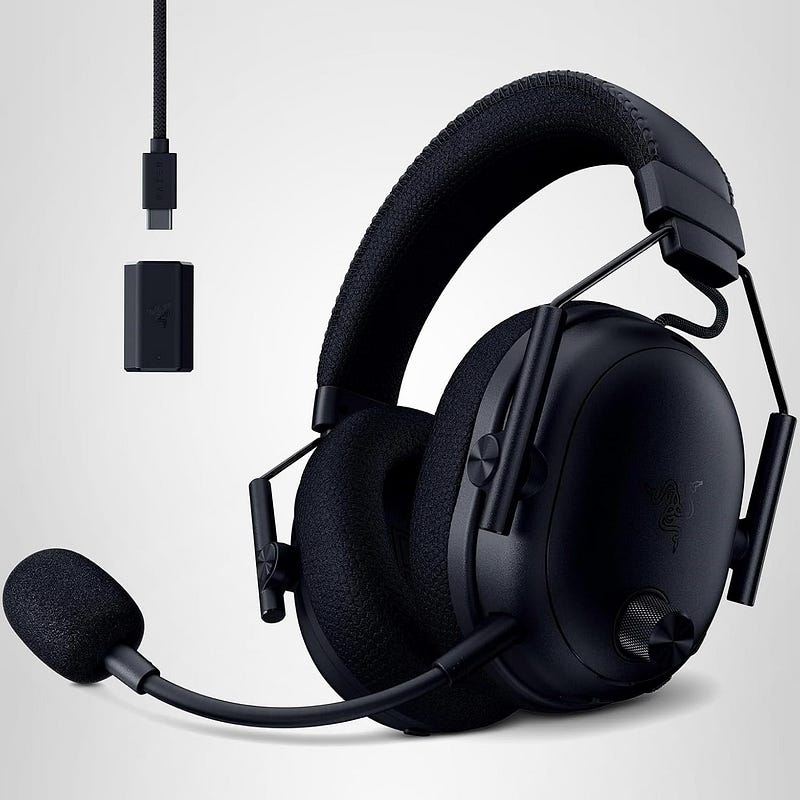
If budget isn’t an issue and you want the absolute pinnacle of what Razer can do right now, the Razer BlackShark V3 Pro is the default choice.
It’s Worth It
- Flawless Dual Connectivity: It features a USB-C dongle alongside Bluetooth, allowing you to connect to your PC/console and phone simultaneously.
- Ultra-Low Latency: Switching to the dedicated low-latency mode drops audio delay down to a mere 13ms, meaning what you see on screen is exactly what you hear in real-time.
- Massive Battery Life: You get nearly 70 hours of juice with Active Noise Cancellation (ANC) turned on. Even if you push the headset to its limits with dual connections and low-latency mode running simultaneously, it still clocks a solid 42 hours.
- Broadcast-Quality Detachable Mic: The boom mic is incredibly crisp. If you just want to listen to music or travel, you can pop it right out.
The Real Talk (The Downsides)
Out of the box, the sound profile is a classic V-shape — punchy bass and sharp highs. While great for immersive shooters, the acoustic seal changes drastically if you have long hair or wear glasses. You will need to tweak the EQ settings in the companion software to get it perfectly dialed in. Also, keep in mind there is no fallback internal microphone; if you detach the boom mic, you can’t take phone calls.
2. Best Value for Tight Budgets: Razer Kaira X
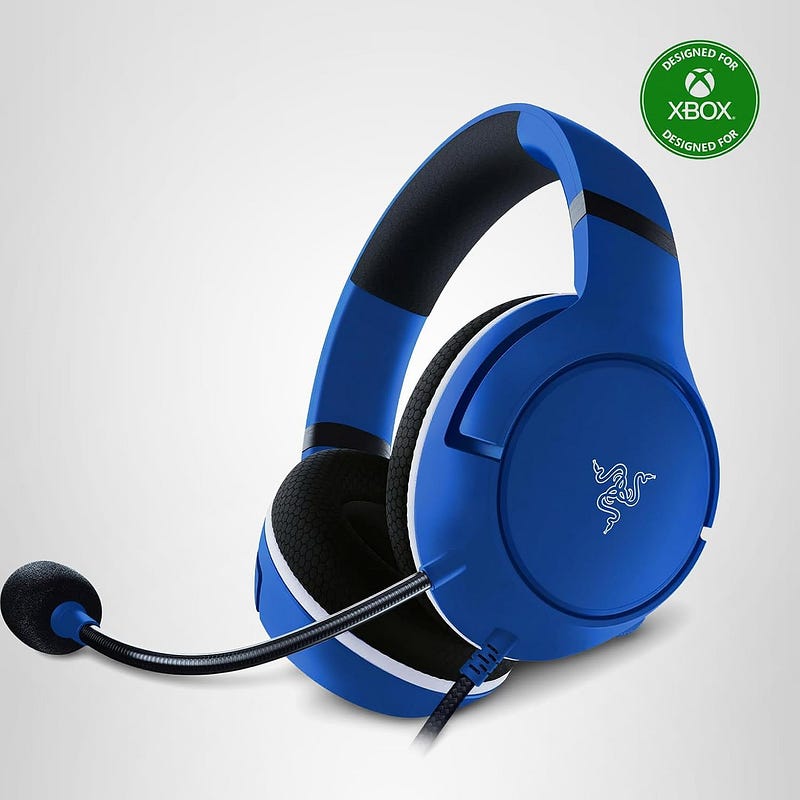
You don’t need to drop hundreds of dollars to get clear team comms. The Razer Kaira X strips away the premium bells and whistles to focus purely on core performance.
Why It’s Worth It
- Zero Battery Anxiety: This is a strictly analog, wired headset. You plug it straight into your Xbox, PlayStation, or PC controller and forget about it. No charging, ever.
- Suprisingly Light & Comfortable: Because it doesn’t house heavy batteries or wireless transmitters, it is incredibly lightweight, making it vastly more comfortable for long sessions than its pricier siblings.
- Top-Tier Mic Isolation: The microphone punches way above its price class. It isolates your voice and cuts through background room noise perfectly.
The Real Talk (The Downsides)
It’s a budget gear piece, meaning you lose out on modern luxuries like chat-mix dials and active noise cancellation. The sound profile leans a bit warm and bass-heavy; while explosions sound epic, fine vocal details in acoustic tracks or dialogue can feel slightly muddy.
3. Best for Gaming & Daily Commutes: Razer Barracuda Pro Wireless
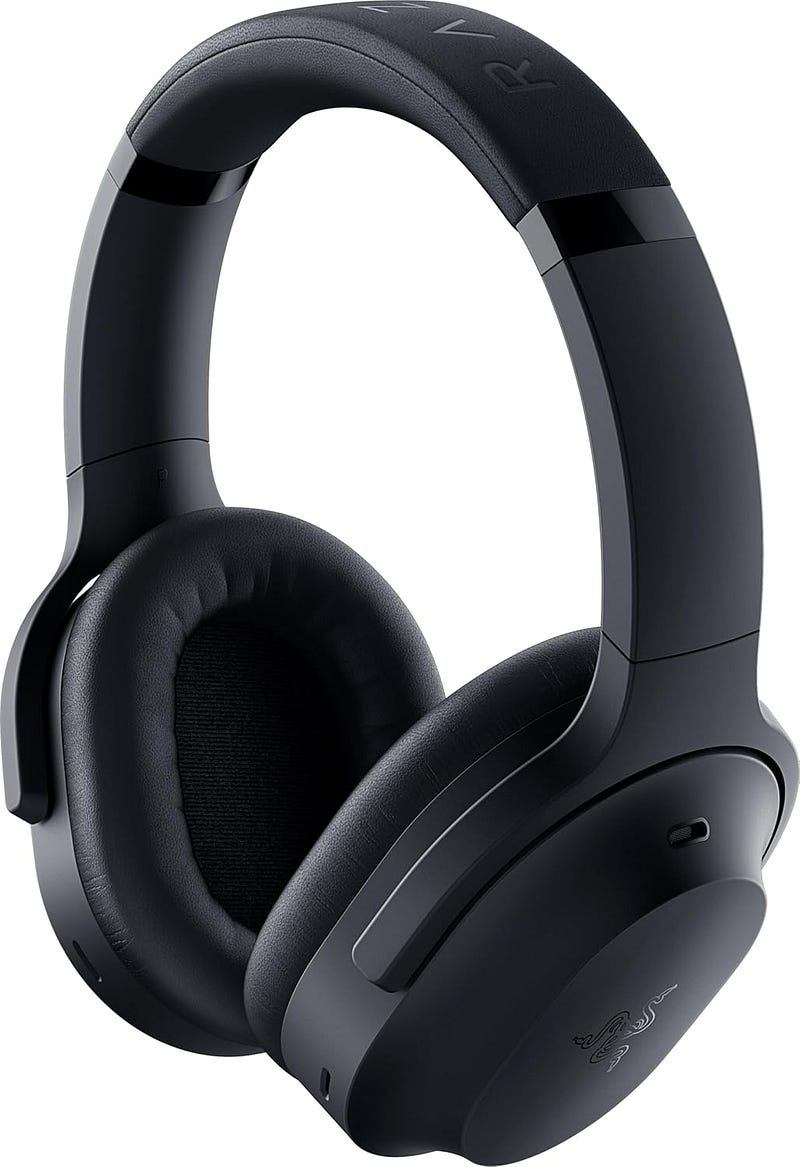
Most gaming headsets look ridiculous in public. The Razer Barracuda Pro Wireless fixes this by ditching the gamer aesthetic for a sleek, street-ready design that transitions seamlessly from your gaming rig to the subway.
Why It’s Worth It
- Built for the Real World: Instead of a clunky boom mic sticking out of your face, it utilizes integrated, hidden microphones.
- Superb Noise Cancelling: The ANC system on this model is highly capable, easily drowning out commuting hums, office chatter, or loud PC fans.
- Mobile-Optimized “Gaming Mode”: Using their app, you can trigger a specialized Bluetooth mode that slashes audio lag on mobile devices — perfect for Wild Rift or PUBG Mobile on the go.
- 34+ Hour ANC Stamina: Over 34 hours of continuous playback with full noise cancellation active.
The Real Talk (The Downsides)
This is a purely wireless headset — there is no wired backup option. Furthermore, it lacks native Xbox wireless support, so if Microsoft’s console is your primary platform, pass on this one. While the integrated mics are highly convenient, they won’t sound quite as pristine or isolated as the BlackShark’s external boom arm.
Quick Comparison: Which One Should You Buy?
ModelConnection TypeBest ForStandout FeatureBlackShark V3 ProWireless (Dongle/BT) + WiredHardcore PC/Console Gaming13ms latency & 70-hour batteryKaira XWired (3.5mm Analog)Budget-conscious gamersLightweight comfort & no chargingBarracuda ProWireless Only (Dongle/BT)Commuting, Travel & Casual GamingClean design & powerful ANC
The Verdict: The Truth About Razer Audio
Razer makes great ecosystem products, but they aren’t flawless. Compared to brands like SteelSeries (which offer superior high-end DAC options) or HyperX (which generally lead in out-of-the-box durability), Razer’s strength lies in its software customization and wireless connectivity speeds.
If you decide to grab one, use Razer Synapse to customize your EQ curves immediately. Don’t just rely on the factory settings, and make sure your ear cups are sealing tightly against your skull to get the bass response you actually paid for.
Have you tried any of these models? Let me know your thoughts on Razer’s comfort levels in the comments below!
